Salem, Virginia · Project planning
Paver Patio Care and Repair Planning in Salem, VA
An older Salem patio can need cleaning, joint maintenance, a localized reset—or a larger renovation. Is the proposed treatment cosmetic maintenance, a paving repair, or both?
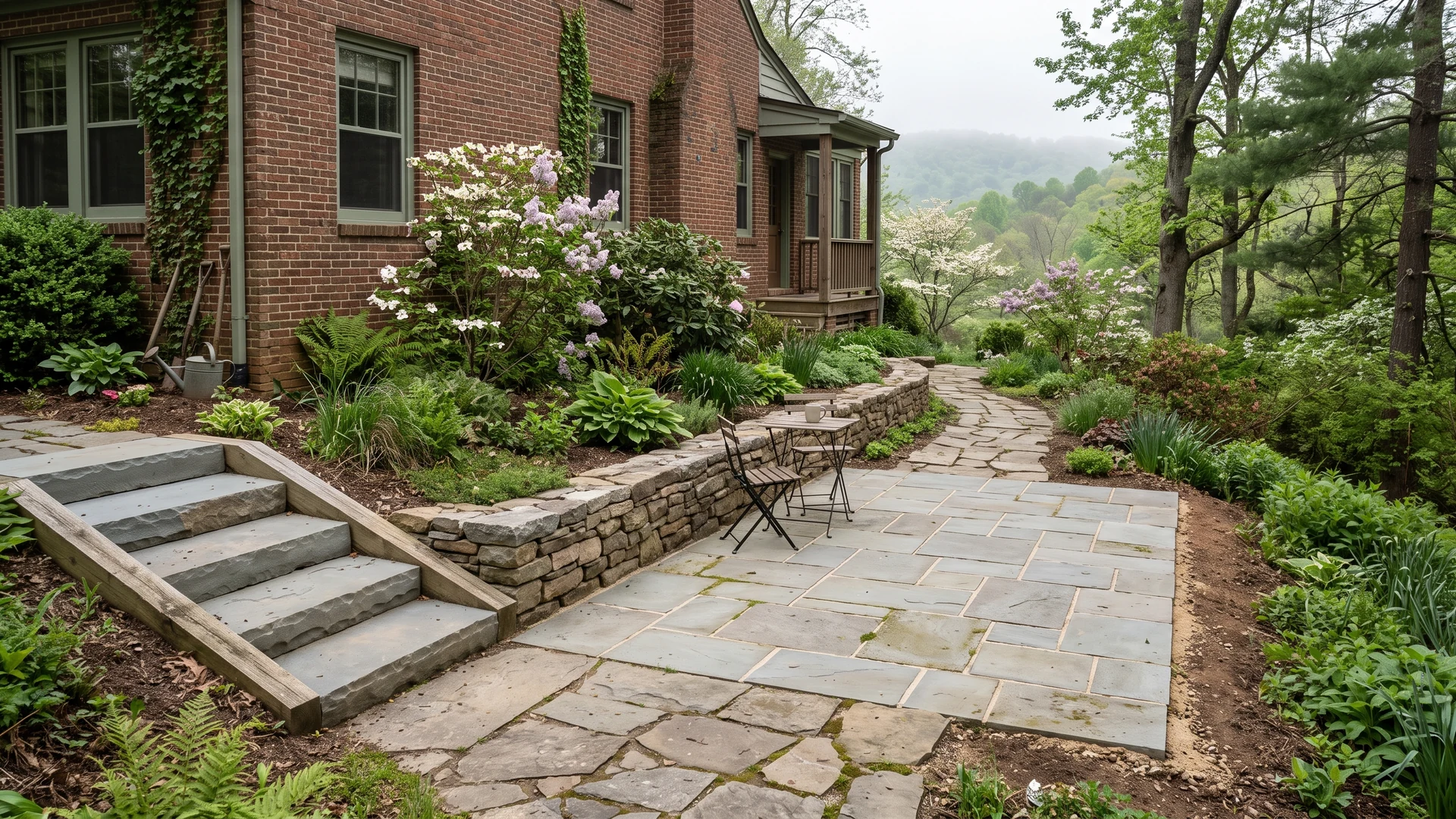
Published by Salem Hardscape Project Guide ·
An older Salem patio can need cleaning, joint maintenance, a localized reset—or a larger renovation. Those are different jobs. Start by separating appearance from movement so you do not pay for a cosmetic treatment when the walking surface needs attention.
Is the proposed treatment cosmetic maintenance, a paving repair, or both?
Distinguish stains from changes in level
Dirt, leaf marks and surface residue are not the same as rocking pavers or a growing dip. Take wide photos as well as close-ups. Record where puddles form and whether they disappear quickly. If the patio connects to older brick, photograph the transition: a change in height can matter more than a difference in color.
Use the product's care instructions
Identify the paving material before choosing a cleaner or sealer. Test a small area and follow the product label. Aggressive washing can damage some surfaces or remove joint material. Sealing is a finish choice, not a repair for an unstable base. Do not assume all concrete pavers, natural stone and brick need the same treatment.
Plan repairs before matching new work
If renovation is on the horizon, discuss loose edges, drainage and damaged units before buying matching pavers. A deliberate contrasting border can look better than an uncertain color match. Keep sound paving where practical, but do not preserve a failing transition simply because the existing material is attractive.
A seasonal Salem inspection
An example is a brick patio with a newer paver border. Cleaning may improve both surfaces, but the junction still needs a separate assessment if one side has settled and catches a shoe.
The condition sequence is a homeowner observation guide, not a diagnosis or a completed-project story.
Keep a patio condition log
- Wide photographs of the whole work area, the route to the house and construction access.
- Approximate dimensions, the features you want to retain and the changes that matter most.
- Photos after rain, plus notes on when any movement, puddling or damage first appeared.
- A clear list of first-stage requirements and optional later work.
Ask for a written scope that separates preparation, installation, disposal, drainage and restoration. Identify selections that remain open and how a change is approved. A lower total is only a useful comparison when you understand the work included.
Plan care before repair
Start with the Patio Installation & Renovation in Salem, VA guide, then prepare a project request. This is an independent request service, not a local contractor or office. A potential provider is identified before you approve sharing your details.
Use the printable project worksheet to organize the conversation. Requirements depend on the actual scope and parcel, not the town written in a mailing address.
Use Salem's seasons to organize inspection
At the end of winter, walk the patio before moving furniture back. Note rocking pavers, open joints, lifted edges and any step that feels different from the previous fall. In spring rain, photograph water paths and downspout discharge. During summer, keep soil and mulch below the paving edge so sediment does not wash across the surface. Before leaf fall, clear drains and joints where organic material accumulates. This schedule makes gradual change easier to see without suggesting that every stain or loose grain requires reconstruction.
Pay special attention where an older Salem brick walk or house foundation meets newer concrete pavers. Different assemblies can move differently. A flexible joint or transition detail may need attention even when both surfaces remain usable.
Match care to the installed material
Save the product name, color and installation date if they are available. Follow the manufacturer's instructions before using a cleaner, sealer, deicer or replacement joint product. Test cleaning in a hidden area and control runoff into planting beds. High pressure can remove joint material or change the appearance of the face, while an incompatible sealer can trap moisture or alter color. Surface care does not correct settlement, a failed edge or water moving through the base.
If repairs are needed, count spare units and identify whether the paver is still manufactured. A small inventory can preserve a consistent repair later. Photograph intact borders and patterns so a reset returns the layout accurately.
Know when the patio question becomes larger
Repeated low areas near the house, movement beside a wall, or water that cannot leave the yard deserve a broader assessment. Use the Salem patio renovation guide to frame the base and drainage scope. If a wall borders the paving, review the retaining-wall service page too. The old-and-new paving guide helps when a repair may become an extension. The Salem home page is the starting point for a complete request.
- Keep dated overview photos from the same positions.
- Record when water appears and how long it remains.
- Retain product labels and a few spare units when practical.
- Separate routine cleaning from structural or drainage work.
Related local reading
- Outdoor Fireplace or Patio Extension First in Salem, VA?
- Matching New Pavers to an Older Brick Patio in Salem, VA
- What Affects Hardscape Cost in Salem, VA
- Salem VA Retaining Wall Permits, Floodplain & Fire Rules
Sources and further checks
Before excavation, review Virginia 811 homeowner guidance, including its explanation of private lines. Local approval details remain in the linked jurisdiction guides; confirm them with the responsible office for your property.
For product-specific care, consult your paving manufacturer. Belgard provides a maintenance reference; its instructions do not apply automatically to every paving material.
Prepare a project request
Bring your photos, rough dimensions and priorities. Explain what you want to change and where the property is located.
Prepare a project request Call (540) 655-1089